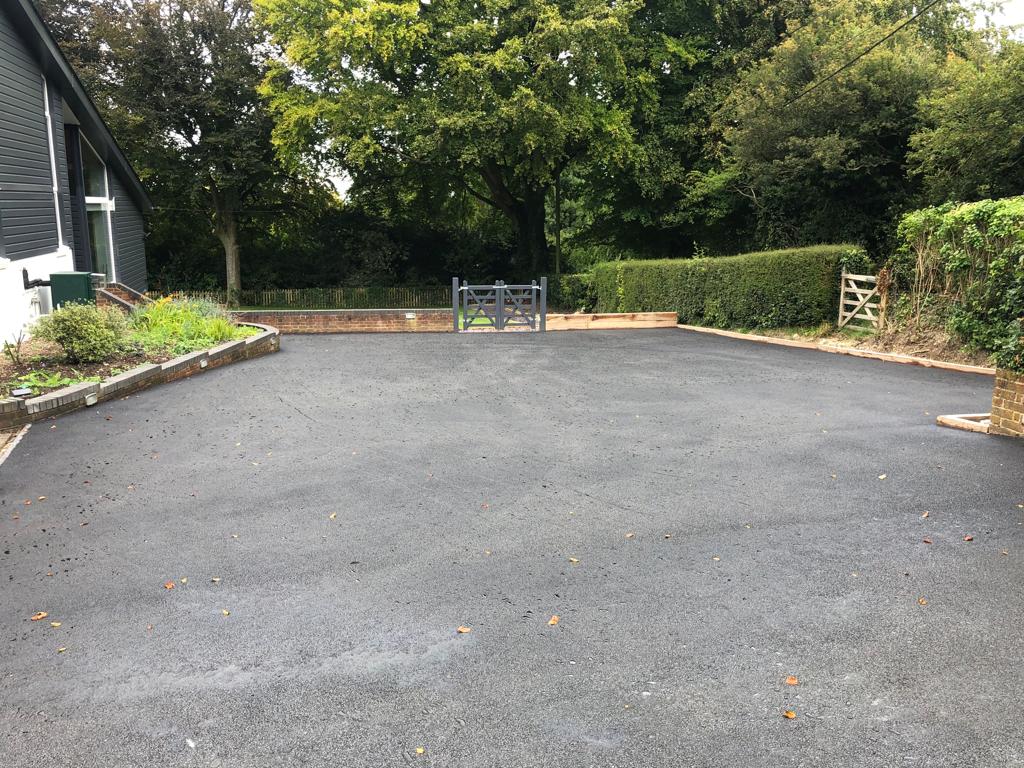
Repairing an occasional pothole is a normal part of maintaining an ageing asphalt surface. When potholes continually return, appear beside previous repairs or begin developing across several sections, however, the problem may no longer be confined to individual holes. Repeated failures can indicate that the surrounding pavement or supporting layers are deteriorating more extensively.
For property owners and businesses in Richmond, VIC, recognising when localised pothole repairs are no longer addressing the underlying problem can prevent an ongoing cycle of patching and deterioration. In some circumstances, broader pavement repairs or asphalt resurfacing may provide a more appropriate solution, provided the existing pavement remains structurally suitable.
Why Do Potholes Keep Returning?
A pothole is the visible result of pavement deterioration, but the cavity itself does not always reveal why the failure occurred.
Potholes commonly develop when cracking or other defects allow water into vulnerable sections of pavement. As supporting materials weaken, repeated vehicle loads create movement. Asphalt begins breaking apart, loose material is displaced and a hole gradually forms.
If a repair addresses only the visible cavity while the underlying cause remains, deterioration can return.
Possible reasons for recurring potholes include:
- Water penetration
- Poor drainage
- Weak pavement base
- Inadequate support
- Repeated heavy vehicle loads
- Settlement or movement
- Widespread asphalt deterioration
- Failure around previous repair edges
Understanding the cause is therefore more important than simply counting how many times a pothole has been filled.
When Is Another Localised Repair Appropriate?
Repeated pothole repairs are not always a sign that the entire pavement needs resurfacing.
If one isolated section has failed while the surrounding pavement remains stable, a properly prepared localised repair may still be appropriate. This is particularly true when the underlying cause can be identified and corrected.
A targeted repair may remain suitable when:
- Damage is confined to a small area
- Surrounding asphalt is generally sound
- Widespread cracking is absent
- There is no substantial rutting or settlement
- The pavement base remains stable
- Drainage around the affected section can function effectively
The condition of the pavement beyond the pothole should always form part of the decision.
Look at What Is Happening Around Previous Repairs
Existing patches can provide valuable information about pavement performance.
If an older repair remains firm, level and well integrated with the surrounding asphalt, it may have successfully addressed a localised defect.
If cracks are forming around the repair, the patch is sinking or another pothole is developing alongside it, there may be continuing movement underneath.
Warning signs include:
- Cracking around patch edges
- Loose material surrounding repairs
- Settlement within patched areas
- New holes forming nearby
- Water collecting around repairs
- Several patches beginning to deteriorate together
These patterns suggest that the issue may extend beyond one isolated section.
Multiple Potholes Can Indicate Broader Deterioration
One pothole and numerous potholes distributed across a surface represent different maintenance situations.
When failures appear across several areas, it becomes important to inspect the pavement between them.
If the surrounding asphalt is also cracked, rough or beginning to break apart, repeatedly repairing individual holes may leave a large amount of deteriorating pavement untreated.
At this stage, the surface may need to be considered as a complete pavement rather than a collection of separate defects.
Widespread Cracking Is an Important Warning Sign
Cracking frequently appears before potholes.
A small number of isolated cracks may be manageable with appropriate maintenance. Extensive interconnected cracking can indicate more advanced deterioration.
Cracks are particularly important because they allow moisture to penetrate the pavement.
Once water reaches vulnerable supporting layers, traffic can accelerate movement and surface breakup. As crack edges deteriorate, pieces of asphalt become loose and new potholes can develop.
If pothole repairs are being completed while widespread cracking remains untreated, additional failures may continue appearing elsewhere.
Drainage Can Be the Hidden Cause
When potholes repeatedly develop in the same sections, it is worth considering where water travels during and after rainfall.
Poor surface levels can cause water to collect in depressions. Damaged edges can also allow moisture to enter supporting pavement layers.
Signs of a possible drainage-related problem include:
- Standing water after rainfall
- Potholes concentrated in low areas
- Repeated deterioration along the same section
- Soft or damaged pavement edges
- Cracking around depressions
If water is contributing to the failure, addressing drainage can be an important part of a more complete pavement solution.
The Pavement Base May Need Attention
The asphalt surface relies on the pavement underneath for structural support.
If the base becomes unstable, the asphalt above may move under vehicle loads. A patch placed over the affected area can then experience the same movement that caused the original failure.
Possible indicators of base instability include:
- Deep rutting
- Noticeable settlement
- Soft pavement sections
- Repeated potholes in the same location
- Extensive interconnected cracking
- Widespread surface deformation
Where these conditions are present, repairing only the upper surface may not provide a dependable result.
Heavy Traffic Can Accelerate Recurring Damage
Traffic patterns should also be considered when potholes repeatedly return.
Frequently used wheel paths, entrances, turning areas and braking zones can experience concentrated pavement stresses. Heavier vehicles increase the demands placed on both the asphalt and supporting structure.
If failures consistently occur in high-use areas, the pavement may need to be assessed against its current traffic requirements.
Understanding how the surface is being used can help determine why repairs are failing and what type of rehabilitation is appropriate.
When Does Asphalt Resurfacing Become Worth Considering?
Resurfacing can provide a more complete solution where deterioration has spread across the wearing surface but the supporting pavement remains sufficiently stable.
Instead of continually treating separate potholes, resurfacing addresses the broader surface after unsuitable areas have been repaired and properly prepared.
Resurfacing may be worth assessing when:
- Potholes are appearing in multiple locations
- Numerous patches already exist
- Cracking has become widespread
- The surface is generally rough or worn
- Additional defects continue developing
- The pavement underneath remains structurally serviceable
The objective is not simply to hide the patches. It is to restore a consistent wearing surface over a properly prepared pavement.
Existing Failures Need Repair Before Resurfacing
A renewed asphalt layer should not simply be installed over unstable potholes and failed patches.
Preparation is fundamental to successful resurfacing.
Depending on pavement condition, the process may involve:
- Inspecting the complete surface.
- Identifying unstable or failed sections.
- Removing unsuitable material where required.
- Repairing localised pavement weaknesses.
- Correcting relevant depressions or drainage issues.
- Preparing the existing surface.
- Installing and compacting the new asphalt layer.
This approach gives the renewed surface more consistent support.
Resurfacing Is Not a Substitute for Reconstruction
Although resurfacing can address widespread surface deterioration, it cannot correct substantial structural failure underneath.
If significant sections of the pavement base are unstable, deeper rehabilitation may be necessary.
A pavement may require more extensive work where there is:
- Severe rutting
- Widespread settlement
- Major deformation
- Extensive structural cracking
- Numerous soft areas
- Continual failure despite previous repairs
In these circumstances, failed pavement materials may need to be addressed before a suitable new surface can be established.
Repair, Resurface or Reconstruct?
Choosing the appropriate level of work comes down to understanding how far the deterioration has progressed.
Localised Repair
This can remain appropriate when potholes are isolated and most of the pavement is structurally sound.
Resurfacing
This may be suitable when deterioration has become widespread across the surface but the supporting pavement remains serviceable.
Reconstruction
This becomes more relevant when structural failure extends through significant portions of the pavement and the existing foundation can no longer provide adequate support.
The visible potholes are only part of determining which category applies.
Why Continuing to Patch Can Hide the Bigger Picture
When potholes are repaired individually over many years, attention can naturally focus on whichever defect is currently causing the greatest problem.
This can make gradual deterioration across the wider pavement less noticeable.
Eventually, the surface may contain numerous patches, cracks, depressions and rough areas that are all connected to the same broader decline in pavement condition.
At this stage, assessing the entire surface provides more useful information than considering each pothole independently.
Early Assessment Can Preserve More of the Existing Pavement
A more complete solution does not necessarily mean waiting until the pavement has completely failed.
In fact, assessment is particularly valuable before that point.
If widespread surface deterioration is identified while the underlying structure remains serviceable, there may still be an opportunity to repair failed sections and resurface the pavement.
Allowing deterioration to continue can give water and traffic more time to affect the supporting layers, potentially turning a surface problem into a deeper structural issue.
Why Professional Assessment Matters
Repeated potholes can have several different causes, and selecting the appropriate treatment requires more than examining the holes themselves.
A professional asphalt contractor can assess:
- Existing potholes and patches
- Crack patterns
- Pavement deformation
- Rutting and settlement
- Drainage performance
- Surface deterioration
- Pavement stability
- Traffic demands
This helps establish whether another localised repair is appropriate or whether the pavement would benefit from resurfacing or more extensive rehabilitation.
The objective should be to address the actual cause and extent of deterioration rather than automatically continuing with the same type of repair.
Conclusion
Repeated pothole repairs can indicate that it is time to consider a more complete pavement solution, particularly when new holes continue developing alongside widespread cracking, surface wear, settlement or failing patches. However, recurring potholes do not automatically mean the entire pavement needs reconstruction.
Localised repair may still be appropriate where damage remains isolated. Asphalt resurfacing can be considered where deterioration has become widespread but the underlying pavement remains stable. Where structural weaknesses are present, those problems need to be addressed before a renewed surface is installed.
For property owners and businesses in Richmond, VIC, Richmond Road Tech provides professional asphalt assessment, pothole repair and resurfacing services based on the actual condition of the pavement. If repeated pothole repairs are no longer keeping your surface in dependable condition, contact our team to discuss whether a broader repair or resurfacing approach is the appropriate next step.
Call us on: 03 9068 7895
Click here to find out more about Richmond Road Tech
Click here to complete our contact form and see how we can help with your road needs.