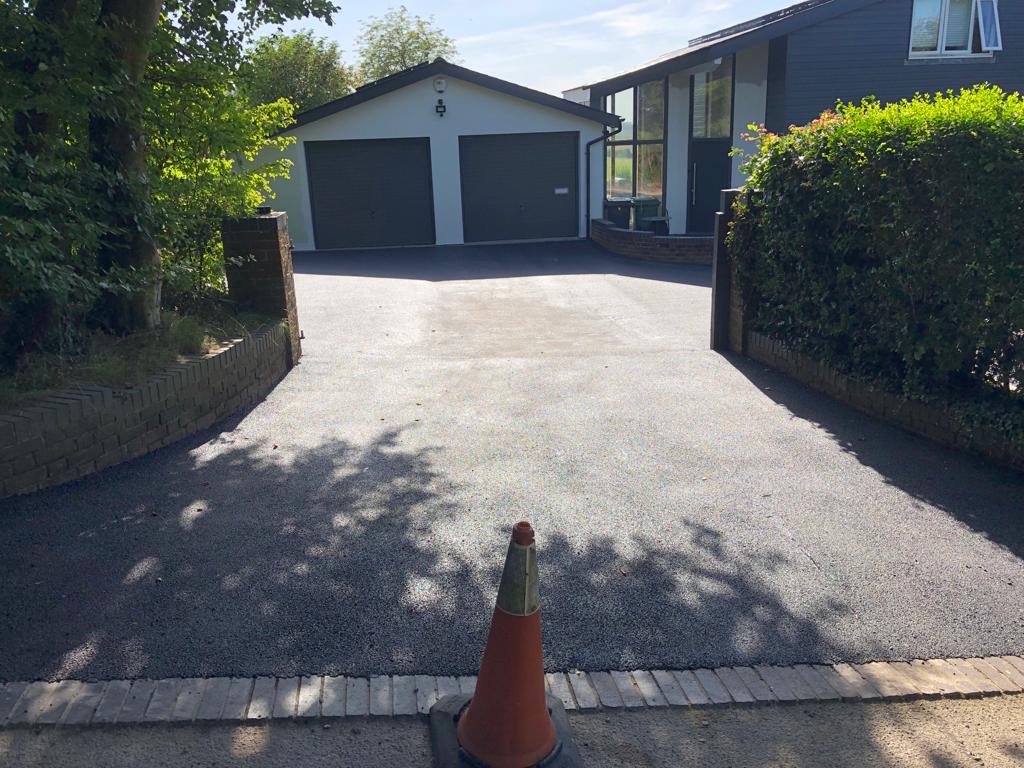
Asphalt is widely recognised for its durability, smooth finish, and ability to withstand regular vehicle traffic. However, like any surfacing material, asphalt is not immune to wear and tear. Over time, even well-constructed asphalt surfaces can develop cracks and signs of deterioration if they are exposed to certain environmental and structural factors.
Understanding what causes asphalt damage can help property owners, businesses, and site managers take proactive steps to protect their investment and extend the life of their surfaces. At Richmond Road Tech, we provide professional asphalt and bitumen resurfacing services throughout Richmond, VIC, helping clients maintain safe, reliable, and long-lasting pavements.
Why Asphalt Deteriorates Over Time
Asphalt surfaces are constantly exposed to traffic loads, weather conditions, moisture, and natural ageing. While asphalt is designed to be flexible and durable, these ongoing stresses gradually affect its condition.
When minor issues are left unaddressed, they can develop into larger structural problems that require more extensive repairs or resurfacing.
Water Penetration
One of the most common causes of asphalt deterioration is water infiltration.
When water enters cracks or penetrates the surface, it can weaken the layers beneath the asphalt. Over time, this reduces the stability of the pavement structure and may lead to:
- Surface cracking
- Pothole formation
- Soft spots
- Surface deformation
- Base failure
Proper drainage and prompt repair of small cracks are essential for preventing water-related damage.
Poor Drainage
Even high-quality asphalt surfaces can deteriorate prematurely if drainage is inadequate.
Standing water places additional stress on the pavement and increases the likelihood of moisture penetrating the underlying base. Areas where water regularly pools are often the first locations where cracking and surface deterioration become visible.
Professional pavement design includes grading and drainage solutions that help direct water away from the surface.
Heavy Traffic Loads
Asphalt is designed to support vehicle traffic, but repeated heavy loads can eventually contribute to wear and structural fatigue.
Commercial vehicles, delivery trucks, and heavy equipment place significant pressure on the pavement. Over time, this can lead to:
- Rutting
- Surface depressions
- Fatigue cracking
- Structural weakening
The pavement must be designed with the expected traffic volume and vehicle weight in mind to achieve long-term performance.
Ageing and Oxidation
Asphalt naturally ages as it is exposed to sunlight and oxygen.
Over time, the bitumen binder within the asphalt gradually loses flexibility. As the surface becomes more brittle, it becomes increasingly vulnerable to cracking under traffic and environmental stress.
Common signs of asphalt ageing include:
- Surface fading
- Loss of flexibility
- Small surface cracks
- Rough texture
Regular maintenance can help slow the effects of oxidation and prolong pavement life.
Inadequate Foundation Preparation
Many asphalt problems originate beneath the surface.
If the subgrade or base was not properly prepared during construction, the pavement may lack the support required to handle ongoing traffic loads. As the foundation shifts or settles, cracks often begin to appear in the asphalt above.
Common foundation-related issues include:
- Uneven settlement
- Surface movement
- Structural cracking
- Premature pavement failure
A properly prepared and compacted base is one of the most important factors in achieving a durable asphalt surface.
Tree Root Intrusion
Tree roots can create significant challenges for asphalt pavements.
As roots grow and expand beneath the surface, they can lift sections of asphalt and create pressure points that lead to cracking. These cracks often worsen over time as water enters the damaged areas.
Careful planning during pavement construction can help minimise the risk of future root-related damage.
Temperature Changes
Asphalt expands and contracts in response to temperature fluctuations.
Although asphalt is designed to be flexible, repeated expansion and contraction can gradually weaken the surface. Small cracks may develop and continue to grow if moisture enters the pavement structure.
Environmental exposure is a normal part of the ageing process, making routine inspections particularly important.
Lack of Ongoing Maintenance
Many pavement failures begin as relatively minor issues.
Small cracks, drainage concerns, or isolated areas of wear can often be addressed before they develop into major problems. When maintenance is delayed, these minor defects frequently expand and affect larger sections of the pavement.
Regular inspections help identify issues early and support more effective long-term pavement management.
Signs That Your Asphalt May Need Attention
Property owners should watch for early warning signs of deterioration, including:
- Visible cracking
- Potholes
- Surface depressions
- Pooling water
- Loose aggregate
- Fading or weathered surfaces
- Uneven pavement areas
Addressing these issues promptly can help extend the lifespan of the asphalt and maintain safe operating conditions.
The Benefits of Professional Resurfacing
When asphalt begins showing widespread signs of wear, resurfacing can often restore performance and appearance without requiring complete reconstruction.
Professional resurfacing helps:
- Improve surface strength
- Enhance appearance
- Address existing defects
- Extend pavement lifespan
- Improve safety and usability
At Richmond Road Tech, we assess each surface individually to determine the most suitable solution for long-term performance in Richmond, VIC.
Conclusion
Asphalt cracking and deterioration are typically caused by a combination of factors, including water penetration, poor drainage, heavy traffic, ageing, foundation issues, temperature changes, and lack of maintenance. Understanding these causes allows property owners to take preventative action and protect the long-term condition of their pavements.
For property owners and businesses in Richmond, VIC, professional inspections, maintenance, and resurfacing services can help maximise the lifespan of asphalt surfaces and reduce the risk of significant deterioration. Richmond Road Tech provides expert asphalt and bitumen resurfacing solutions tailored to local conditions and project requirements. If your surface is showing signs of wear, our team can provide professional advice and practical solutions designed to deliver lasting results.
Call us on: 03 9068 7895
Click here to find out more about Richmond Road Tech
Click here to complete our contact form and see how we can help with your road needs.